
Fourteen councillors have called in Cabinet's Western Road Red Route decision. Scrutiny meets on Tuesday 6 October and can send it back to Cabinet.
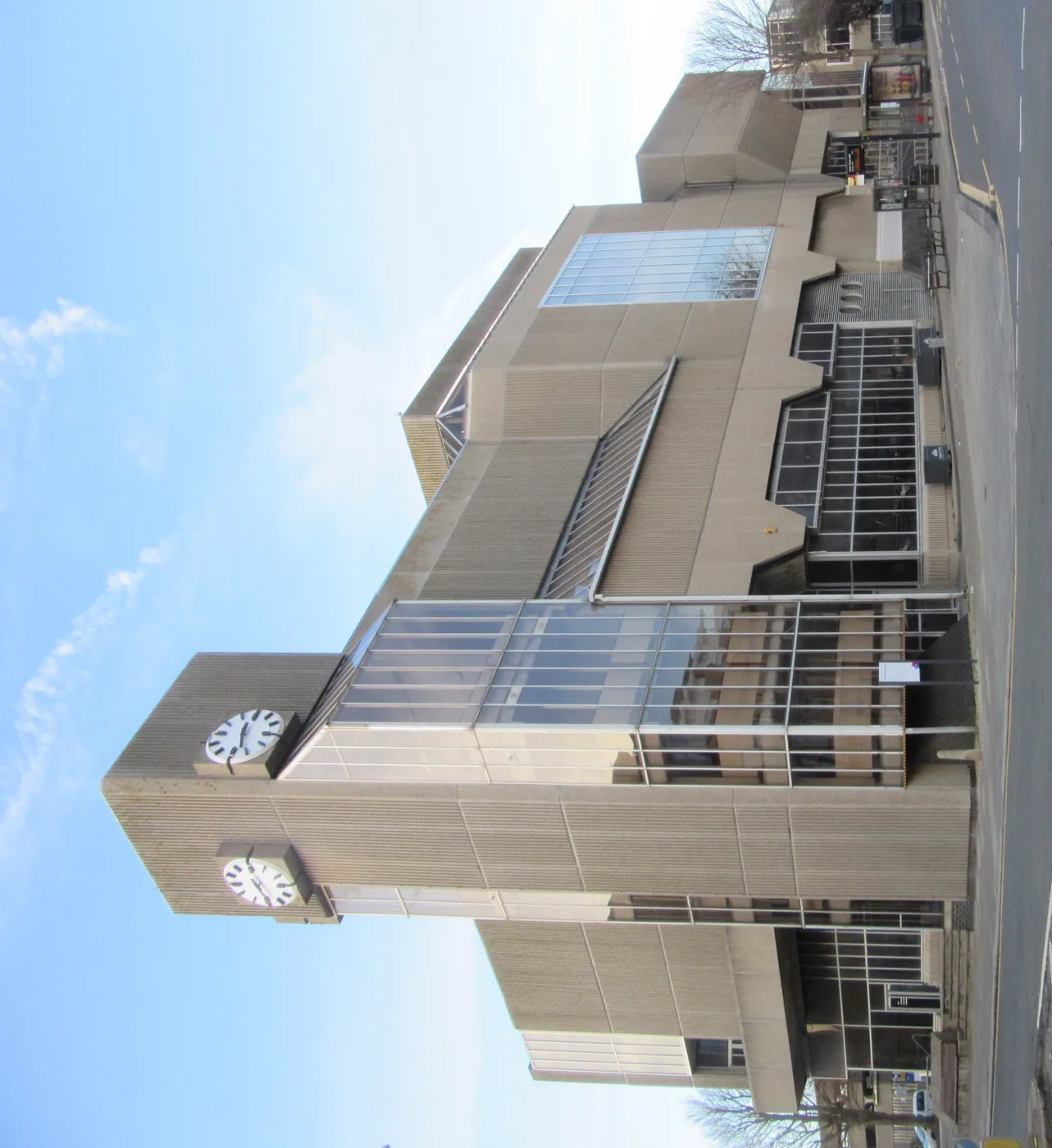
The Western Road Red Route is on hold while councillors look at it again. Fourteen opposition councillors have called in the Cabinet decision of 17 September that approved the scheme. The council’s Place Overview and Scrutiny Committee hears the call-in on Tuesday 6 October at Hove Town Hall.
The committee cannot cancel the Red Route itself. It can let the decision stand, or send it back to Cabinet with its concerns. The papers were published under urgency rules because the call-in has to be decided within seven working days (call-in report).
What Cabinet decided
On 17 September Cabinet agreed that an Experimental Traffic Regulation Order for Western Road, between Holland Road and Montpelier Road, “should proceed”. It set the scheme’s primary aim as reducing congestion “to allow for improved bus reliability during the experimental period” (draft Cabinet minutes). We reported the decision and the council’s figures in our earlier story.
The draft minutes add some detail the decision list did not:
- Councillor Trevor Muten, the cabinet member for transport, left the chamber for the item after declaring an interest
- officers cited more than 1,100 enforcement visits in the previous year and more than 2,300 occasions when vehicles left before a penalty could be issued
- officers corrected an error in the consultation appendix over the number of people recorded as “not sure” on one question
- existing disabled bays in side roads plus the new ones would give about 20 disabled spaces in the area
Who called it in, and why
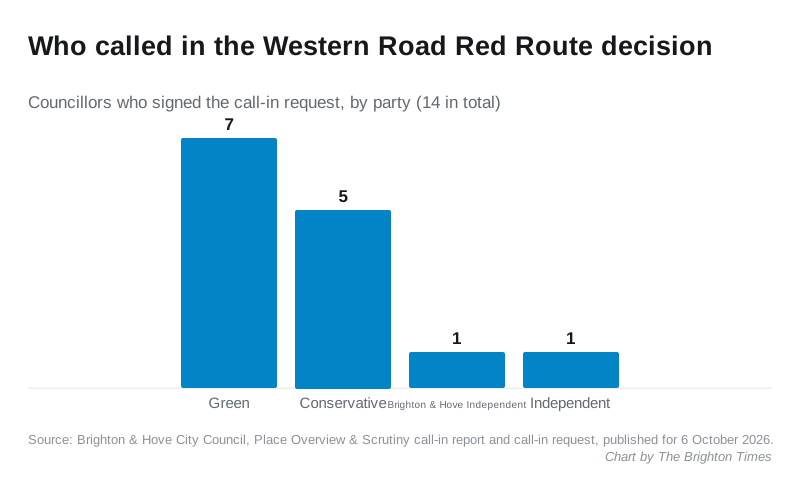
The call-in was signed by seven Green councillors, five Conservatives, one Brighton & Hove Independent Party councillor and one independent (call-in report). The council’s rules need at least six members from more than one group. The Chief Executive and the Monitoring Officer have confirmed this request complies.
The signatories rely on one ground: “the absence of sufficient evidence on which to base a decision”. Their reasons, in full, are that (call-in request):
- no Western Road-specific evidence supports the scheme’s stated primary objective
- the report’s summary of the consultation was partial, and no written comments, including those from businesses, were provided
- the loading provision is not tested against the council’s own evidence of demand
- the economic effect of the scheme is to be assessed only after it is in place
What the Cabinet report itself says
Some of those points are acknowledged in the Cabinet report. It says “the specific effects on Western Road cannot be determined in advance”. It accepts the street has “limited rear servicing opportunities”, unlike some other Red Routes. The furthest any business would be from a loading bay is about 70 metres.
The report’s answer is the experiment itself. An experimental order lets the council gather Western Road evidence, monitor footfall and loading bay use, and change the layout quickly. Officers argue the uncertainties “support the use of an Experimental Traffic Regulation Order rather than weigh against it”.
The report weighed two alternatives. One was not proceeding at all. The other was a permanent order from the start. It did not set out a lighter option such as stepped-up enforcement under the current yellow lines.
Traders will speak first
One public deputation has been accepted, on behalf of Western Road traders (deputation). Its spokesperson gets five minutes. The deputation says the scheme affects 185 businesses, and makes these points:
- the report “never weighed anything less” than double red lines and camera enforcement
- ten loading bays serve nearly a kilometre of shopfront with no rear access
- the Brewery Logistics Group, whose members deliver to pubs on the street, has warned that kegs weigh up to 200kg
- traders on the Lewes Road and London Road Red Routes describe lost takings and closures, and one charity shop says its profits fell from £75,000 to £35,000 a year
Those are the traders’ own accounts and figures, as submitted to the committee, and we have not been able to check them. The Cabinet report says evidence from the other corridors shows “slightly increased footfall” after Red Routes went in. It adds that “the precise contribution made by the schemes cannot be isolated”.
The deputation also points out that Western Road is shut for resurfacing, so no Red Route can operate yet. It asks for a pause to run the economic impact assessment that it says the Chamber of Commerce and the business improvement districts have requested. Traders offer to share their trading figures during the closure.
What happens next
The committee has three options under the call-in report:
| Outcome | What it means |
|---|---|
| Take it no further | The Cabinet decision is implemented |
| Refer to full Council | Only if it finds the decision breaches the policy or budget framework |
| Refer back to Cabinet | Cabinet must reconsider, with the committee’s concerns set out |
A decision can only be sent back for reconsideration once. Even if Cabinet looks again, it keeps the final say.
The meeting’s agenda page lists a 6pm start (agenda). The call-in report itself gives 5.30pm, so check the agenda page before you set off.
What it means for you
- If you run a business on Western Road, the deputation is the traders’ case on the record. Tuesday’s outcome decides whether Cabinet has to answer it before the order goes ahead.
- If you use the buses, nothing changes this week. Western Road is closed for resurfacing until about 6 November, with 16 routes diverted. Our roadworks page has the current diversions, and the closures story has the detail.
- If you want to watch, the meeting is public and held in the Council Chamber at Hove Town Hall.
We will report the committee’s decision on Tuesday evening or Wednesday, and update our Cabinet story with it.
Have your say