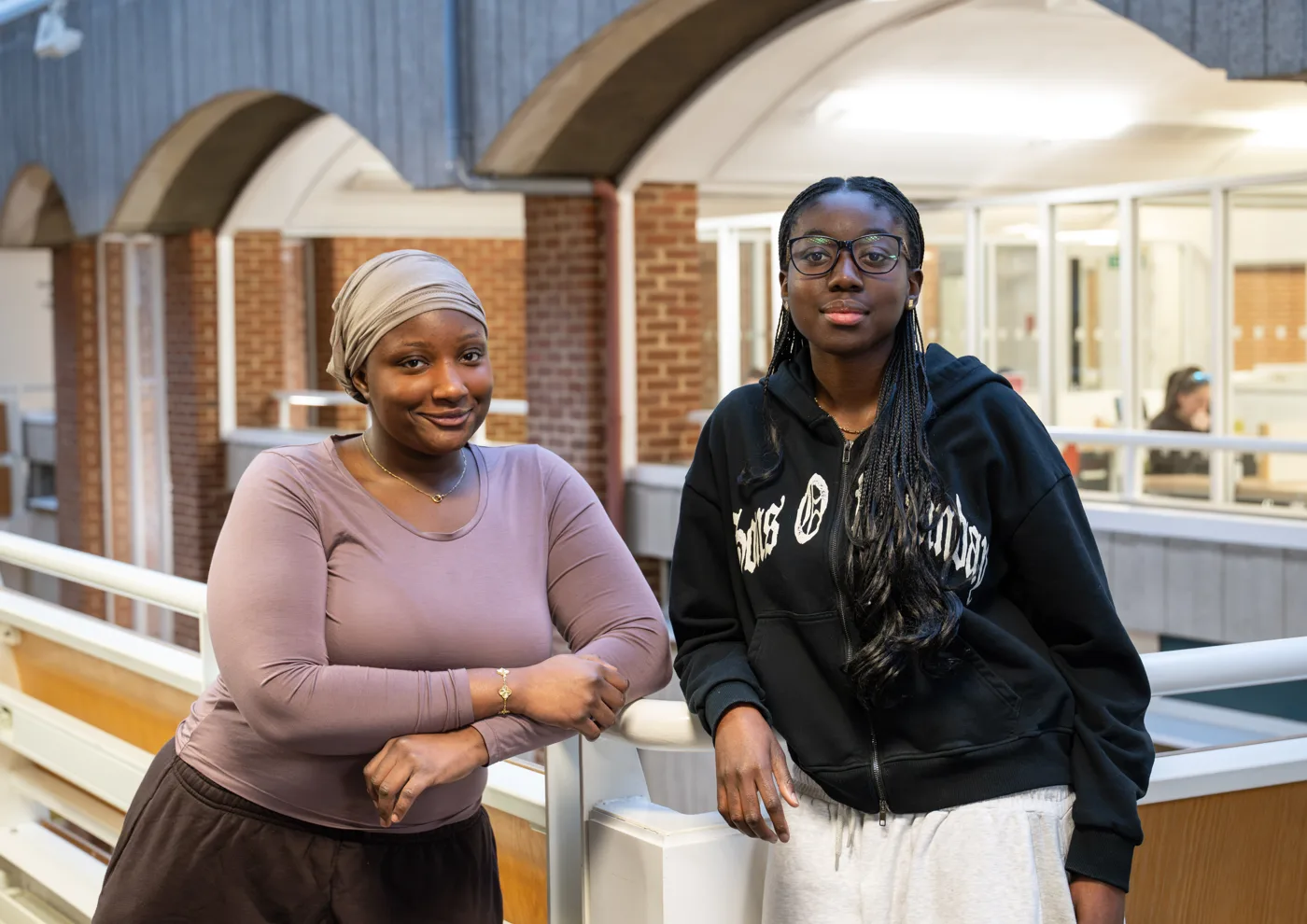

Two University of Sussex students won the Inter-University Africa Debate at Parliament. They beat Oxford, LSE and Queen Mary opposing a reparations motion.
Two University of Sussex students have won the Inter-University Africa Debate, beating teams from Oxford, the LSE and Queen Mary in a grand final held at the Houses of Parliament.
Miama Iddisah and Daniella Oduro, both in their third year at the university in Falmer, took the title last week. Students from the University of Oxford came second, the LSE third and Queen Mary University of London fourth.
The motion for the final asked whether reparative justice should form a central pillar of the UK’s relations with African countries. The Sussex pair argued against it, and the judges gave them the win.
Where reparations belong, not whether they are owed
Opposing that motion meant handling it with care, and the two students began from ground both sides share. According to the university, they accepted that the slave trade and colonialism caused grave harm and that reparations are owed.
Their case was about where reparations should sit. Making them the central pillar of the UK’s partnership with African countries, they argued, would not deliver for Africans in the way it should. The partnership should rest instead on fair exchange: fairer trade, better investment and a fair share of the value from Africa’s critical minerals, while African countries pursue reparations together as a united front.
They closed with one line: “Never forget the pain. Never bargain with it.”
“Questioning assumptions”
Daniella Oduro said: “Winning the competition was an incredibly rewarding experience. The final motion challenged us to engage with difficult questions about historical injustice, accountability and the future of UK-Africa relations.
“It reinforced for me that debating is not simply about defending a position, but about questioning assumptions, examining different perspectives and thinking critically about the policies that shape our world. I’m proud of what we achieved as a team and grateful for the opportunity to have been part of such a meaningful experience.”
Miama Iddisah said the rounds before the final had been as demanding as the final itself.
“The journey from the qualifiers to the final pushed us to think on our feet, adapt our arguments and work closely together under pressure,” she said. “Competing against such talented debaters made the experience even more rewarding. I’m incredibly proud of what we accomplished together and grateful for the opportunity to represent the University of Sussex on a national stage.”
About the competition
The championships are run by the Programme for African Leadership at the LSE Firoz Lalji Institute for Africa, with the Royal African Society and Fortune Favours Productions. They started at the LSE in 2024 to give students a serious platform for debating the questions shaping Africa’s future, in front of the policymakers and leaders who can act on them.
The University of Sussex says it has students and staff from more than 130 countries.
Have your say