
NHS modelling shows Surrey and Sussex hospitals 411 beds short in the week of 28 December. The winter plan says new beds and discharge projects should close it.
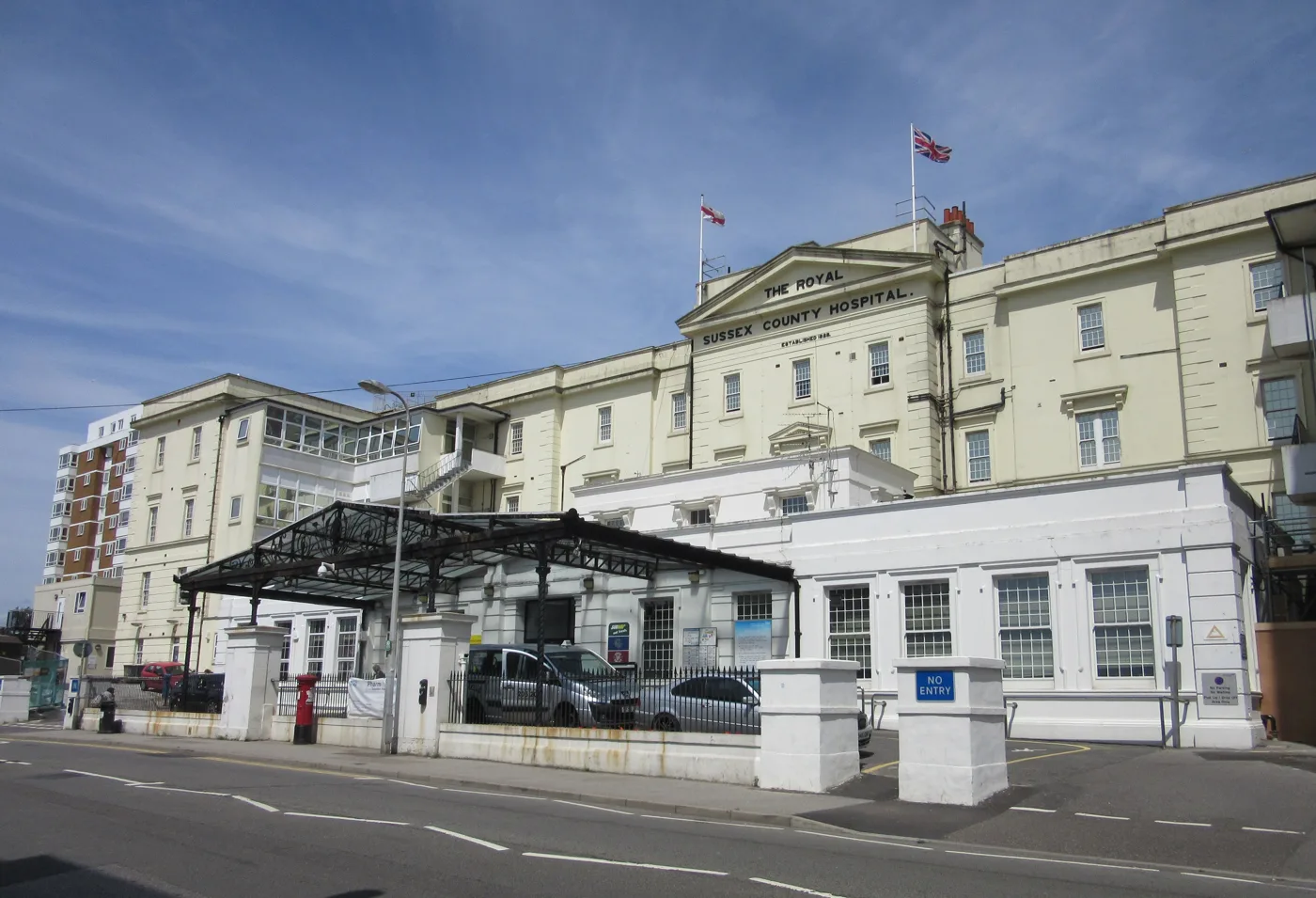
Hospitals across Surrey and Sussex would be 411 general beds short in the week after Christmas without extra action, NHS modelling shows. The winter plan says new beds, discharge projects and care at home should close that gap, but warns the Royal Sussex County Hospital’s risk is “likely higher” than the model shows.
The figures are in the NHS Surrey and Sussex Integrated Care Board’s winter plan for 2026/27 (winter plan). It goes to Brighton & Hove City Council’s Health Overview and Scrutiny Committee on Wednesday 18 November, for councillors to note and comment on (council report).
The gap in numbers
The hospitals have a base of 3,837 general and acute beds. The modelling shows a peak gap of 411 beds in the week starting 28 December. It names two other pressure points, in late November and early March.
The plan sets out how the gap would be closed in that peak week:
| Measure | Beds |
|---|---|
| University Hospitals Sussex, which runs the Royal Sussex | 146 |
| Surrey and Sussex Healthcare (East Surrey Hospital) | 84 |
| East Sussex Healthcare | 63 |
| Neighbourhood care, community flow and virtual wards | 61 |
| Ashford and St Peter’s | 54 |
| Royal Surrey | 10 |
Together these leave “a bed gap of 0” for the week of 28 December, the plan says. It marks that result “tbc”, and adds that “not all plans have been shared” in a form the model can use. It also warns of “sustained risk in November” if projects are delayed.
What it says about Brighton
Each hospital site is given a risk rating. For the Royal Sussex County Hospital, the plan says pressures “are not always shown in the data as it shows signs of being a supply limited system”. It concludes that “its risk is likely higher than model values show”.
The plan does not explain the phrase further. In plain terms, it suggests the hospital’s figures are held down by the beds it has, rather than showing the full demand.
The other risks
The plan lists what could still go wrong over the winter:
- planned measures not arriving on time
- staff shortages, and sickness peaking when demand peaks
- flu, other respiratory illness and norovirus
- ambulance handover delays
- slow discharge from hospital
- several hospitals needing help from each other at the same time
The council’s report adds that winter costs will have to be met from existing NHS Sussex and council budgets. A follow-up report on how the winter went is due in spring or summer 2027.
What it means for you
Get your flu and Covid jabs if you are eligible. The plan gives these dates:
- flu vaccines for pregnant women and children from 1 September, and for all other eligible groups from 1 October, until 31 March 2027
- Covid-19 vaccines from 1 October 2026 to 31 January 2027
In the spring 2026 Covid campaign, 53.2% of those eligible in Surrey and Sussex had the jab, against 49.7% nationally, the plan says.
Use a pharmacy or NHS 111 for minor illness. The plan relies on more people using Pharmacy First and NHS 111 rather than A&E.
You can watch the meeting. The Health Overview and Scrutiny Committee meets at 4pm on 18 November (meeting page).
Have your say