
Licensed taxi and private hire drivers in Brighton & Hove fell from 1,239 to 1,051 in two years, and freed taxi plates are going almost untaken.
Brighton & Hove has lost about one in seven of its licensed taxi and private hire drivers in two years. There were 1,051 driver licences in force at the end of March 2026, down from 1,239 in March 2024.
The figures are in the council’s first consolidated taxi licensing annual report, which went to its Licensing Committee on Thursday 8 October (Taxi & Private Hire Licensing Annual Report 2025-2026). The report was for information, so no decision was needed.
Every kind of licence is down
Total licences of all kinds fell from 2,345 to 2,025, a drop of 320 or 13.6%. Licensed vehicles fell from 1,038 to 927.
| Licence type | March 2024 | March 2025 | March 2026 |
|---|---|---|---|
| Dual taxi and private hire drivers | 1,033 | 1,015 | 905 |
| Private hire drivers | 206 | 188 | 146 |
| Taxi vehicles | 596 | 596 | 562 |
| Private hire vehicles | 442 | 434 | 365 |
| Private hire operators | 68 | 59 | 47 |
| Total | 2,345 | 2,292 | 2,025 |
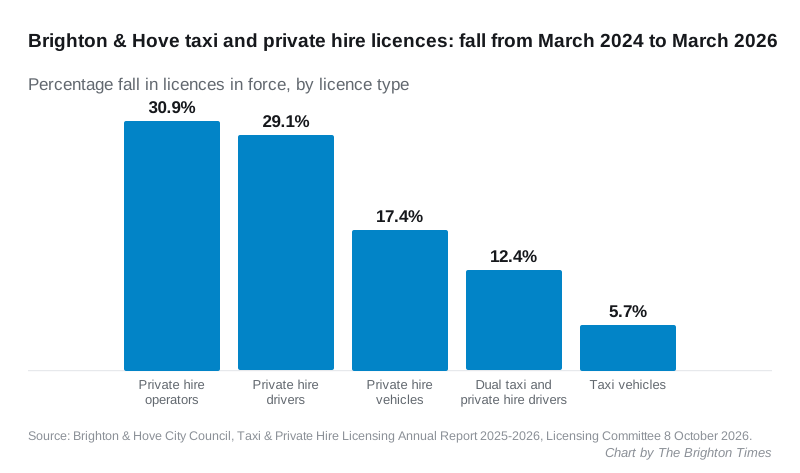
The private hire side shrank fastest. Operator licences fell by 30.9% and private hire driver licences by 29.1%.
Fewer people are joining, too. New driver applications fell from 79 in 2023/24 to 62 in 2025/26.
Taxi plates nobody wants
Brighton & Hove limits the number of hackney carriage (taxi) vehicle licences, and there is still a waiting list for them. When licensed taxis have left the trade, the council has offered the plates to people on that list. The report says “there has been little or no take-up of these opportunities”.
It calls that “a notable change from the historic position where demand for available vehicle licences routinely exceeded supply”. The council does not ask drivers why they leave. The report lists possible reasons:
- vehicle, fuel and insurance costs
- the cost of replacing or financing a compliant vehicle
- changing travel patterns
- competition from neighbouring licensing authorities
- difficulty recruiting and keeping drivers
What a smaller trade could mean
The report says there is “currently sufficient capacity to maintain taxi services across the city”. It warns that if the fall continues, passengers could face:
- longer waits at peak times
- fewer cars in the evenings and at weekends
- shortages during big events, the tourist season and late at night
It says older people, disabled residents and people with few other ways to travel would be hit hardest.
Complaints and enforcement
The council received 270 complaints about taxis and private hire in 2025/26, down from 423 the year before and 370 in 2023/24 (Appendix 3, compliance and enforcement data).
There were 48 formal enforcement outcomes against drivers and applicants:
- 41 licences suspended pending further information, usually medical or DBS paperwork
- 3 licences suspended
- 3 licences revoked
- 1 new application refused
There were no prosecutions. The team ran 52 out-of-hours compliance operations, the same number as in each of the previous two years. It has five full-time staff, including three enforcement officers.
What it means for you
- Booking at busy times may take longer. The council itself says a smaller fleet means longer waits at peak periods. Book ahead for late nights, match days and big events.
- Taxi fares are set by the council. Our taxi fares page has the current tariff and what a typical trip costs.
- Complaints about a licensed driver or vehicle go to the council’s Taxi and Private Hire Licensing Team, which logged 270 last year. Note the licence number shown on the car before you report it.
- If you have thought about driving a cab, the report says taxi plates freed up by people leaving have been offered to the waiting list, with almost no takers.
For trains and buses instead, see Brighton trains to London and parking in Brighton.
Have your say