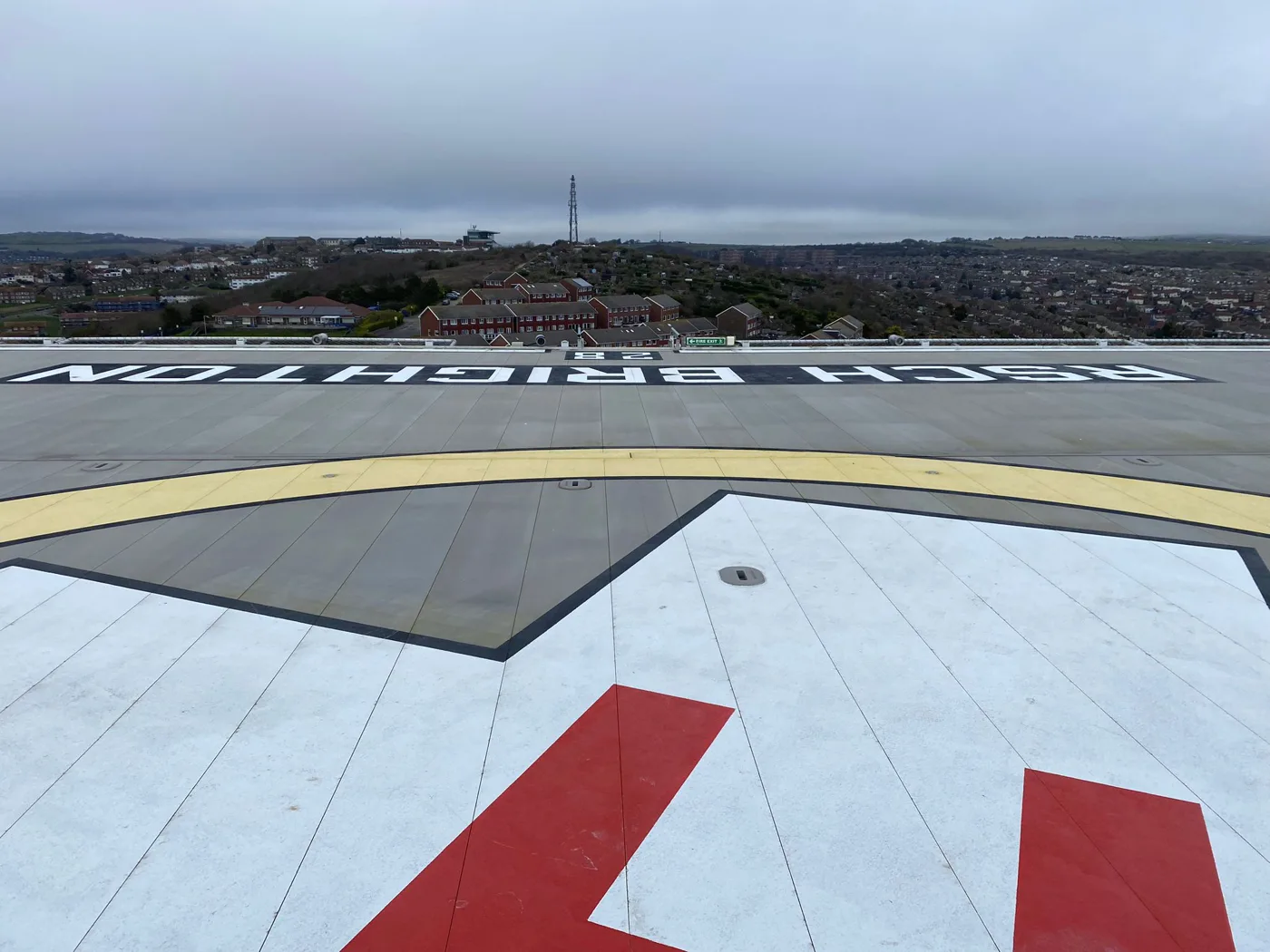

More than 50 critically ill or injured people have been flown to the Royal Sussex helipad since March. Demand is so high the trust is seeking a planning change.
More than 50 people have been flown directly to the Royal Sussex County Hospital’s helipad for emergency care since it opened in March. The hospital trust says that is more demand than anyone expected when planning permission was granted over a decade ago.
So University Hospitals Sussex is now seeking to change that permission. It said last month it will submit a Section 73 application to Brighton & Hove City Council, which asks to vary the conditions on an existing permission.
The trust did not say what limits it wants changed. It says noise and air quality assessments are under way around the hospital, and the planning process is expected to take several months.
Why flying in matters
The helipad serves the Sussex Major Trauma Centre. Patients include people hurt in road collisions, people with cardiac emergencies and people injured in remote places.
Flying in removes the need for a second ambulance transfer. The trust says that frees up crews for other patients and saves vital minutes. The ambulance service and the helicopter emergency medical service decide who flies, based on clinical need and location.
Dr Duncan Bootland, an emergency medicine consultant at the hospital, is also executive medical director at Air Ambulance Charity Kent Surrey Sussex. He said: “Every week, we are seeing first-hand how bypassing road transfers and flying directly to the hospital is improving outcomes for our most critically ill patients.”
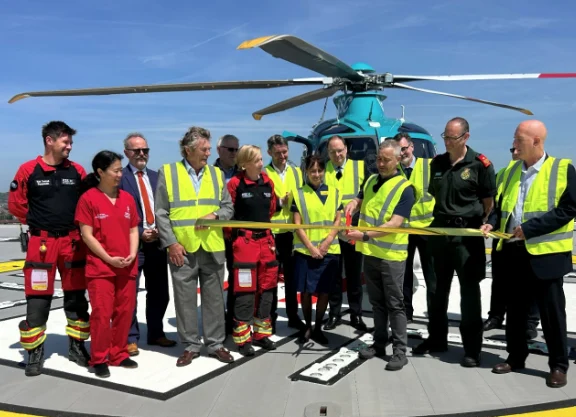
The first patient
David White, from Southampton, was the first person flown there, on 14 March. He had suffered a cardiac arrest.
“When I suffered my cardiac arrest, the speed of the air ambulance and specialist skills of the onboard doctors were critical to my survival,” he said.
He cut the ribbon when the helipad, which the trust describes as the highest emergency helipad in the UK, was officially opened on 22 May.
What it means for you
If you live near the hospital, you may be hearing more flights, and the trust acknowledges it. Hospital director Stephen Mardlin said “we recognise increased flights can also have an impact on our neighbours”.
The trust says it will keep talking to neighbours through its Hospital Liaison Group and post updates on its website. When the application reaches the council, residents will be able to comment through the normal planning process. We will report its details when it is lodged.
Have your say